Maputo Special Reserve Adventures
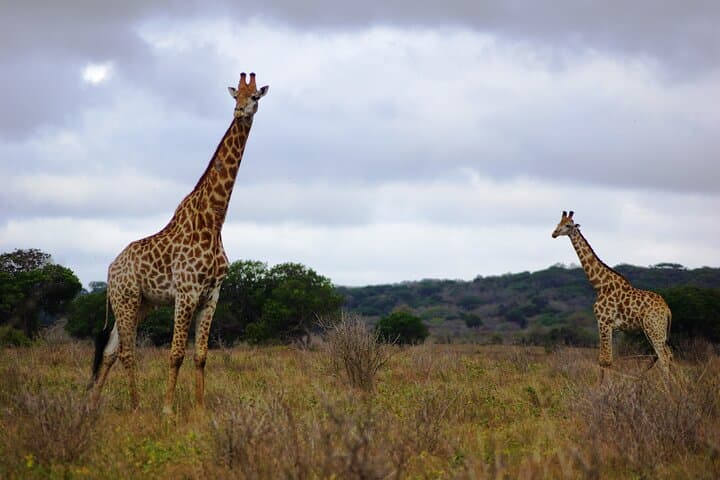
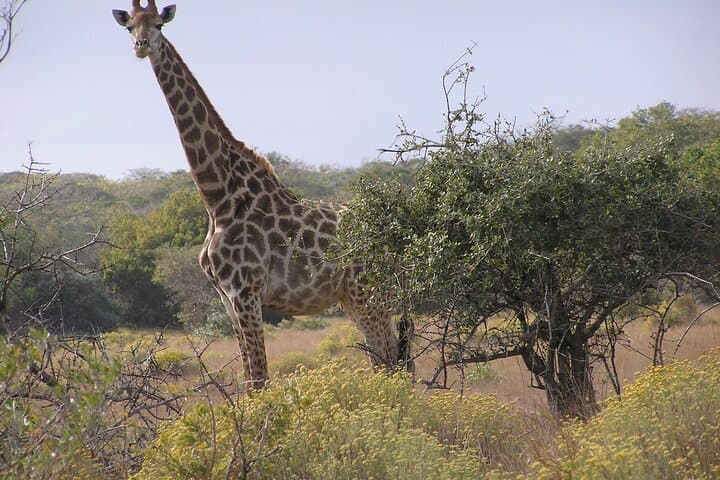
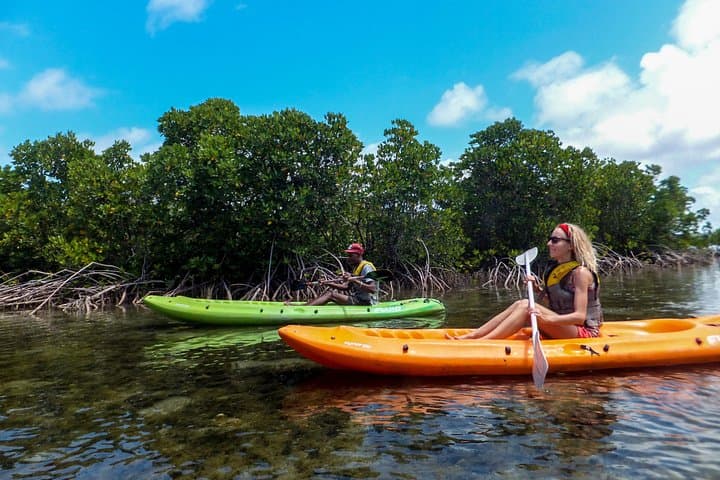
Maputo Special Reserve offers visitors a unique blend of coastal and savannah ecosystems, ideal for both wildlife observation and leisure by the sea.
Popular Activities
Plan Your Visit
Everything you need to know to prepare for an unforgettable trip to Maputo Special Reserve.
Entrance Requirements
An entry fee is required; permits can be obtained at the entrance or through organized tours.
Best Time to Visit
The best time to visit is during the dry season from May to October, when wildlife viewing is optimal.
Visitor Information
The main entry gate provides basic information and visitors can inquire about guides.
Getting There
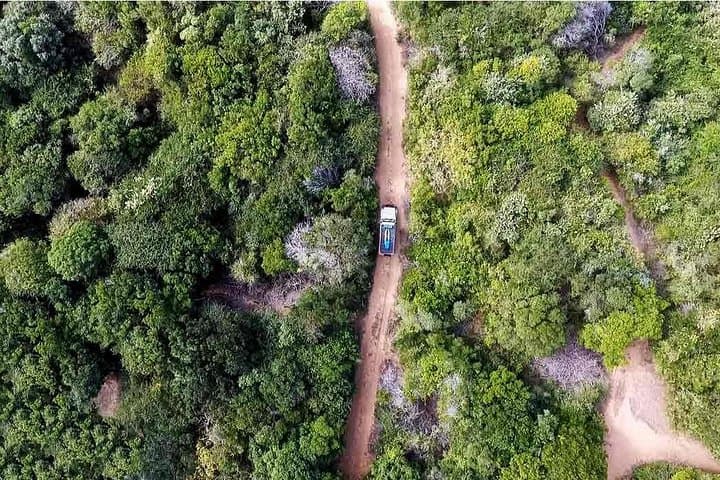
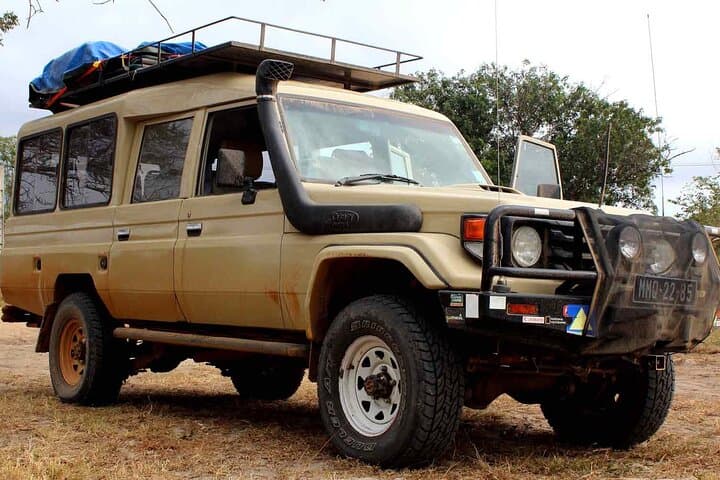
Accessible via a 4WD vehicle; roads may be sandy and difficult, especially after rain.
Weather & Climate
The reserve experiences a tropical climate with a rainy season from November to April and a dry season from May to October. Temperatures are generally mild, but can be hot and humid in the summer months.
Conservation Efforts
Threats include poaching and human-wildlife conflict. Conservation efforts are focused on anti-poaching patrols and community engagement.
Camping in Maputo Special Reserve
Find the perfect spot to stay overnight and immerse yourself in the details.
Ponta Milibangalala Camp
Situated near the beach, this site offers rustic camping for nature lovers.
Maputo Special Reserve Campsite
Basic facilities near the main reserve providing convenient access to wildlife areas.
Top Trails
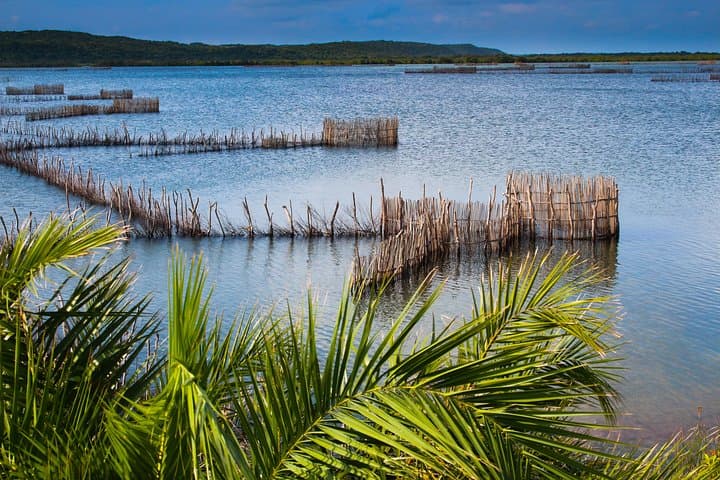
Lake Xinguti Loop
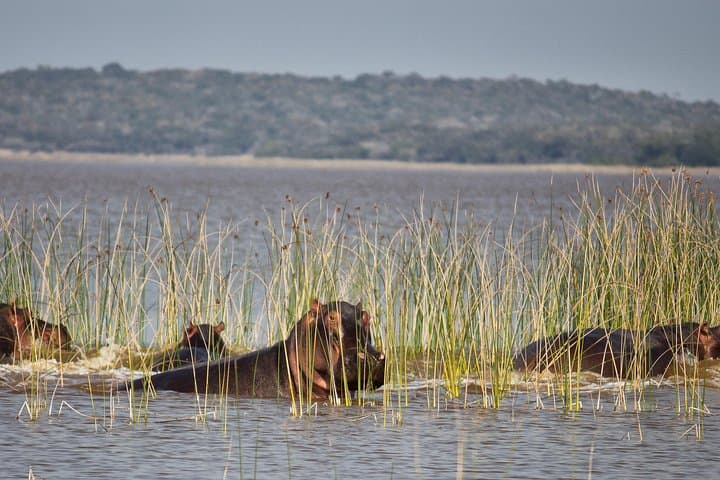
A loop trail offering views of Lake Xinguti and opportunities for wildlife viewing.
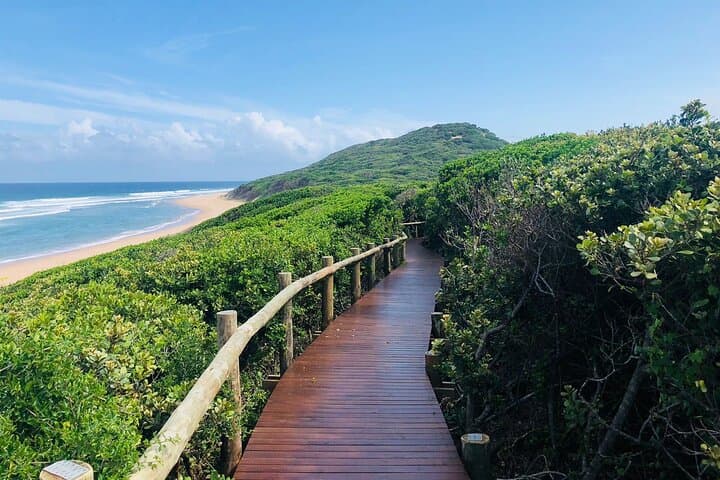
Coastal Dune Trail
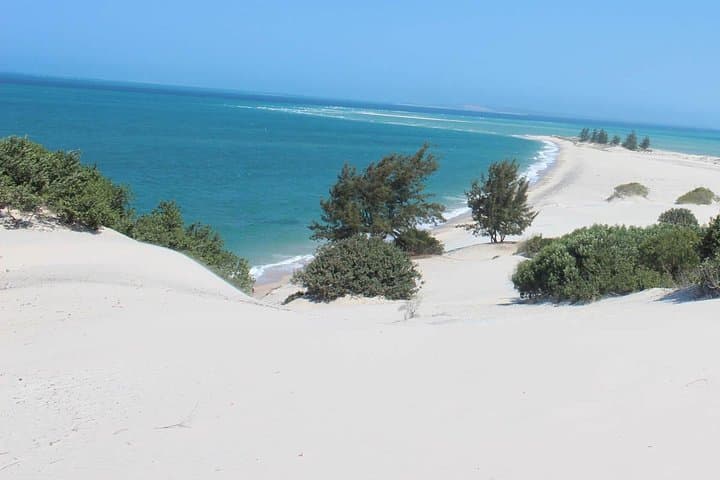
A pleasant walk along the coastal dunes with stunning ocean views.
Elephant Savannah Walk
Explore the savannah where elephants are commonly seen.
Forest Nature Trail
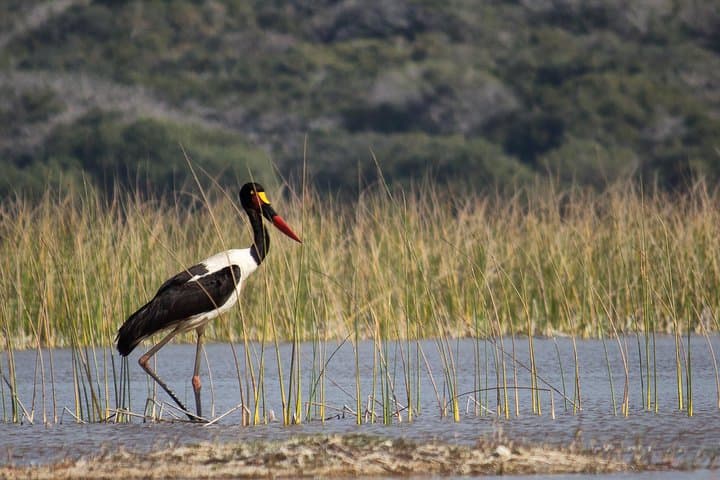
A short nature trail through the forest ideal for birdwatching.
Trailblazer Tips
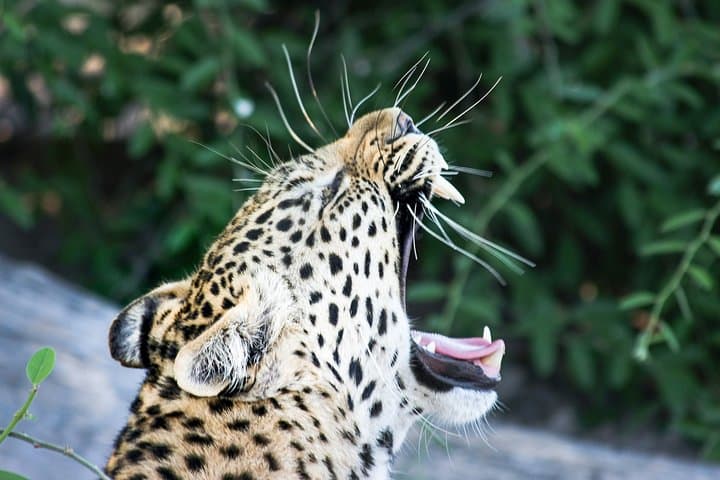
Consider hiring a local guide for the best chances of wildlife sightings and safety.
The dry season from May to October is the best time for wildlife viewing as animals congregate around water sources.
4WD vehicles are recommended due to sandy and sometimes challenging road conditions.
Bring binoculars and a camera to capture the diversity of birdlife and large mammals.